

In at present's technology-driven period, crime reporting has become a continuing presence in our lives. From the high-profile instances that captivate the nation's attention to the everyday incidents that remind us of the world we live in, it's exhausting to escape the grasp of crime information. Recent occasions, such because the mysterious disappearance of Natalee Holloway and the stunning actions of Joran Van Der Sloot, have fueled a surge in media coverage and public awareness surrounding crime. However, amidst the relentless tidal wave of knowledge, it becomes imperative to delve deeper and uncover the hidden truths that lie beneath the floor.
One of essentially the most striking examples is the case of Natalee Holloway, a young woman who vanished throughout a visit to Aruba in 2005. Despite intensive media protection and steady efforts to search out her, her destiny stays unknown. The name Joran Van Der Sloot became synonymous with the case, as he was final seen with Natalee on the night of her disappearance. Years later, in a surprising turn of events, Van Der Sloot was convicted of murdering another woman, Peruvian pupil Stephany Flores. These high-profile instances, intertwined indirectly, shed gentle on the complexities of crime reporting and its lasting impact on the lives of these concerned.
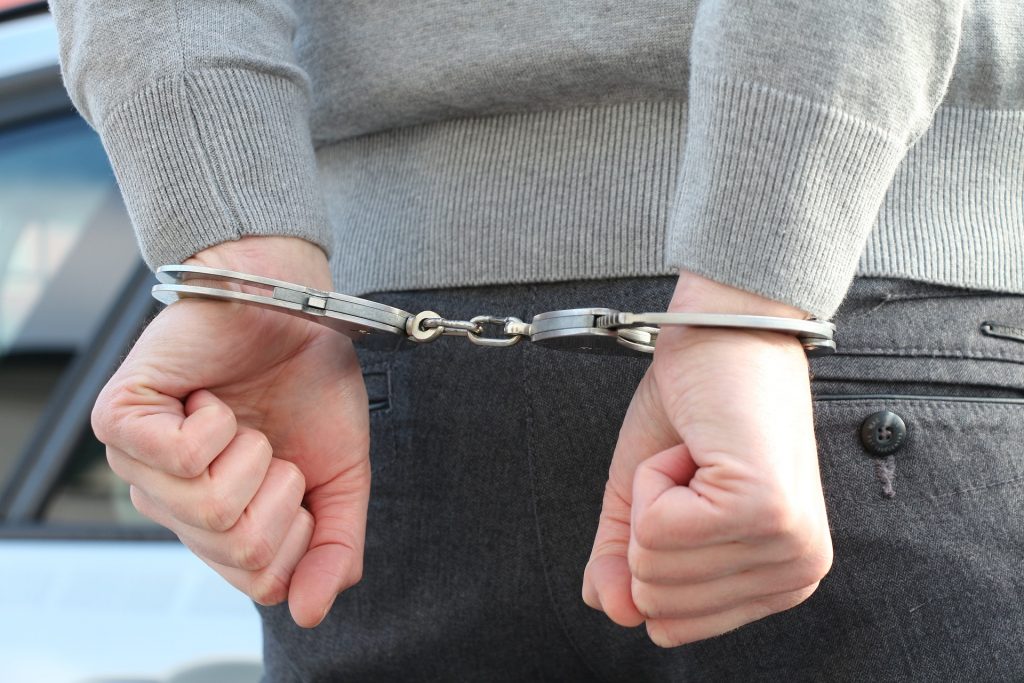
Beyond the well-known stories, latest crime reporting has additionally highlighted the vulnerability of odd individuals. Carlee Russell, a young woman living an unremarkable life, became a victim of a violent crime that shook her community. The incident sparked discussions about private security and the ever-growing must be vigilant in a seemingly secure world. These seemingly unrelated examples remind us of the facility of crime reporting to not only inform but additionally shape our notion of actuality.
As we embark on a journey to unravel the intricacies of current crime reporting, it's essential to peel back the layers and problem the narratives we encounter. By questioning the motives behind the media's portrayal of those stories and examining the impact they've on society, we will acquire a greater understanding of the realities that usually disguise within the shadows. Only then can we hope to break free from the sensationalism and actually comprehend the true nature of crime in our fashionable world.
The Natalee Holloway Case: A High-profile Crime
The disappearance of Natalee Holloway captivated the world's attention, making it one of the most high-profile crime instances in recent years. In 2005, Holloway, an 18-year-old American scholar, vanished on the Caribbean island of Aruba during a high school graduation journey. What initially seemed like a tragic accident quickly turned into an international mystery, fueling intense media protection and speculation.
One of the key figures on this perplexing case was Joran van der Sloot, a young Dutchman who was the final particular person seen with Natalee Holloway. As the first suspect, van der Sloot faced an intense public scrutiny that additional intensified the media frenzy surrounding the case. Despite intensive investigation efforts and numerous twists and turns, Holloway's fate and the truth behind her disappearance remain unknown.
The Natalee Holloway case exemplifies the facility of the media to amplify crime reporting and generate public curiosity. The relentless protection of this high-profile crime not solely kept the story within the headlines but also contributed to the ongoing hypothesis and intrigue surrounding the case. The disappearance of Natalee Holloway serves as a stark reminder that some crimes capture the common public imagination like few others, highlighting the affect of media consideration in shaping our perceptions of crime and justice.
Joran van der Sloot: Suspect or Scapegoat?
In the case of Natalee Holloway's disappearance, Joran van der Sloot has been a central figure. Many have labeled him as a suspect because of his association with Holloway on the night she went missing, while others argue that he has turn out to be a scapegoat within the investigation.
Van der Sloot's involvement with Holloway initially raised suspicions. Being the final particular person seen with her, it was pure for authorities to focus their attention on him. However, you will need to remember that suspicion alone does not make someone responsible. Van der Sloot has persistently denied any involvement in her disappearance, and despite extensive investigations, no concrete proof linking him to the crime has been found.
Despite this lack of proof, the media frenzy surrounding Van der Sloot has contributed to him being portrayed as the primary suspect. It is crucial to query whether this characterization is honest and primarily based on solid proof, or if it is merely a result of media sensationalism. The intense public scrutiny he has faced might have influenced the perception of his guilt, probably overshadowing other traces of investigation.
In any legal case, it is essential to make sure that the accused is handled pretty and that investigations are performed impartially. While suspicions surrounding Joran van der Sloot are understandable, it is important to remember that everyone is innocent until confirmed responsible. The true actuality behind latest crime reporting have to be based mostly on goal evidence somewhat than relying solely on public perception or media narratives.
Carlee Russell's Case: Shedding Light on Unsolved Crimes
In current crime reporting, one case that stands out is the unsolved mystery surrounding Carlee Russell. Carlee's disappearance has left her family and the community desperate for solutions, searching for any clues that would shed light on her fate.
Carlee, a vibrant and impressive young woman, went missing three months ago underneath mysterious circumstances. Despite intensive efforts from legislation enforcement companies, her case stays unsolved, leaving her loved ones in anguish and looking for closure.
The lack of concrete leads in Carlee's case has highlighted the challenges and complexities that come with investigating unsolved crimes. It underscores the importance of neighborhood involvement and the necessity for continued efforts to boost consciousness, gather data, and assist victims' families.
As we delve deeper into the reality of recent crime reporting, it turns into apparent that Carlee's case is only one of many unsolved mysteries. Behind each case, there are countless people waiting for justice and closure. By shining a highlight on these unsolved crimes, we hope to convey consideration to the victims and their families, disallowing their ache to fade into the shadows and reaffirming the urgency of discovering answers.
However, the road to unraveling the reality is often uneven and winding. The complexity of the legal justice system, the passage of time, and the evasiveness of potential suspects all contribute to the challenges faced in solving cases like Carlee's. Nevertheless, with willpower and continued efforts to research and report on these unsolved crimes, we can work in path of bringing solace to the families affected and galvanizing change within our communities.
As we conclude our exploration of latest crime reporting, it's essential to remember that behind each headline and statistic, there are actual lives impacted by these unsolved crimes. We should remain vigilant, demanding solutions whereas supporting the households who have been left within the shadows of uncertainty. layla sherwani Together, we can strive for a society where justice prevails, and no sufferer is forgotten.